
Managing Tar Spot
AgVenture Product Marketing Team
Tar spot is a disease found in corn that can lead to significant yield losses if not properly managed. Tar spot is caused by a fungus called Phyllachora maydis that can spread throughout corn fields in the Midwest. This disease was first found in 2015, but has quickly spread throughout Iowa, Illinois, Indiana, Minnesota, Wisconsin, Ohio, Michigan, and Missouri.
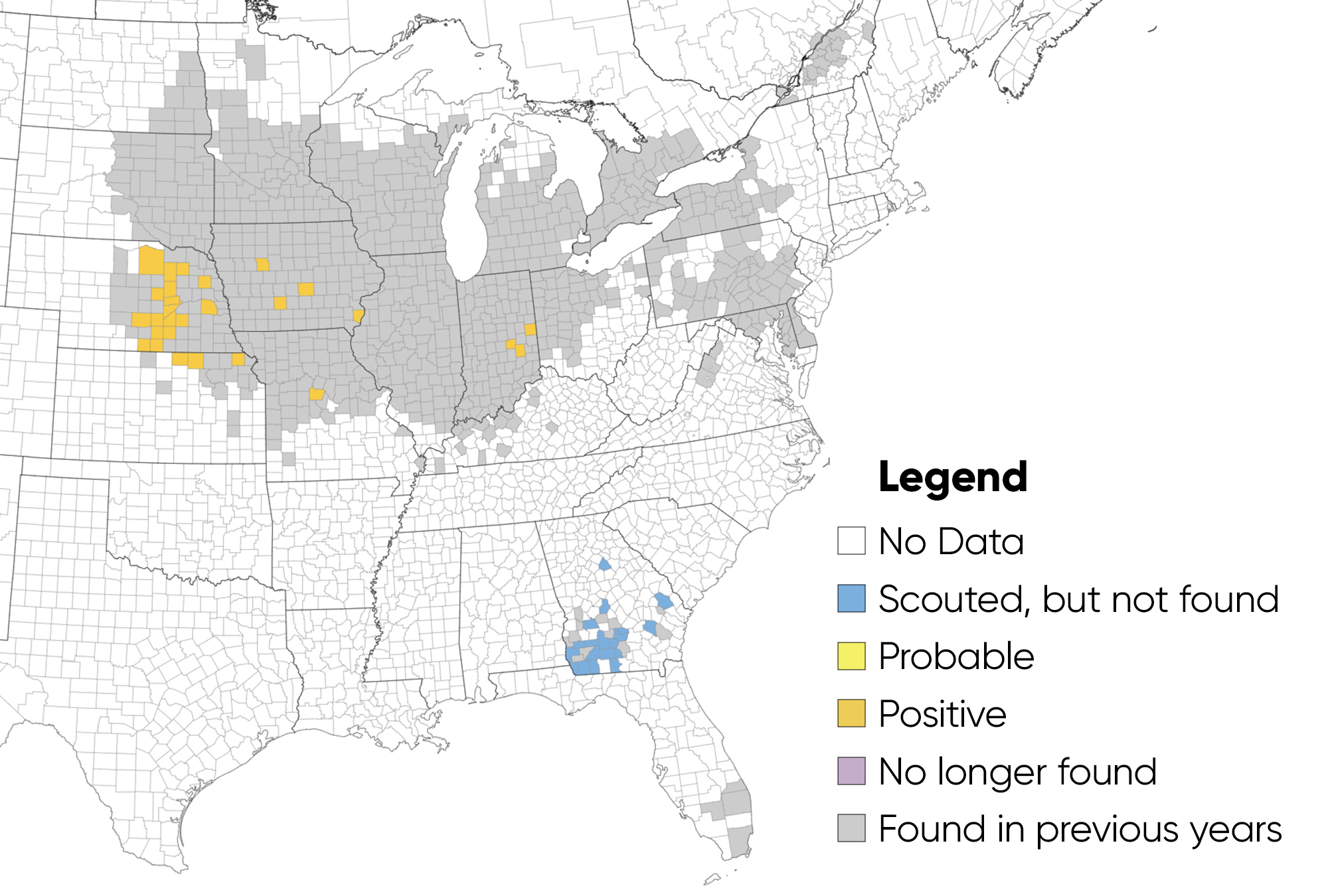
The map above shows the current location of tar spot as of July 2022. To track the current spread of tar spot, click here. Tar spot was first confirmed in 2026 in Randolph County, Indiana, on June 10th.
““Many growers are accustomed to managing tar spot at this point, but those in the fringe geographies are still learning,” said Branden Furseth, AgVenture Product Portfolio Lead. “We are very happy with our lineup’s genetic resistance to tar spot, but we continue to learn and improve each year.”
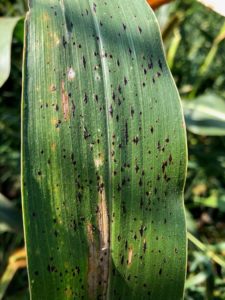
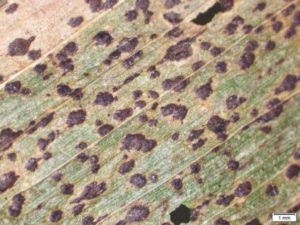
Tar spot appears as small, raised, black spots dispersed across leaf surfaces. The spots are ascomatum, known as fungal fruiting structures. The disease tends to appear when there are long periods of high relative humidity and leaf wetness, coupled with moderate temperatures. They cause corn plants to have reduced photosynthesis leading to less energy for plant and ear growth. Tar spot can cause a reduction in yield of up to 20 to 40 bushels per acre. With a high yield reduction, it makes it important to scout fields and monitor disease pressure. However, tar spot can be confused with common or southern rust later in the season, but tar spot cannot be scraped off leaf surfaces.
There are multiple ways to manage tar spot and maintain your yield potential. “Planting hybrids with some level of resistance is one of your best management options,” said Furseth. “All hybrids are susceptible to tar spot, but some show more resistance than others.”
While the Tarspotter app is no longer supported, growers do have a tool available to help assess tar spot risk. The Crop Protection Network has launched the Crop Disease Forecasting Tool, a free, web-based resource designed to help users evaluate the risk of major foliar diseases in corn and soybeans. This tool replaces older apps like Tarspotter and Sporecaster, which are no longer supported. Built on years of university-led field research and modeling, the tool provides daily updates and a 7-day forecast using local weather data. It currently includes models for tar spot and gray leaf spot in corn, and white mold and frogeye leaf spot in soybeans—helping users make timely, field-specific fungicide decisions. While Furseth doesn't specifically endorse the tool, it is one resource growers may want to explore. Try it here: Crop Disease Forecasting Tool.
Tar spot pathogens overwinter on infected corn residue. With the use of residue management to break down corn leaves, the disease host is significantly reduced. Crop rotation and avoiding planting susceptible hybrids can reduce disease severity.
Proper fungicide applications can also be used to effectively control tar spot outbreaks when applied between VT and R2 stages. Cutting Edge Consulting Agronomist, Jerry Hartsock, says, “A one or two-phase attack with fungicides can be the answer to keep the disease to a minimum. There is the need for a primo product at the R1 targeted fungicide application to provide longevity and optimize yield through stress alleviation.” Research at the University of Wisconsin has shown spraying fungicides with multiple modes of action has worked best against tar spot.
We know that every operation is different, so we recommend talking to your local AgVenture Yield Specialist to develop a comprehensive fungicide plan and determine the best AgVenture brand corn hybrids for your operation.